
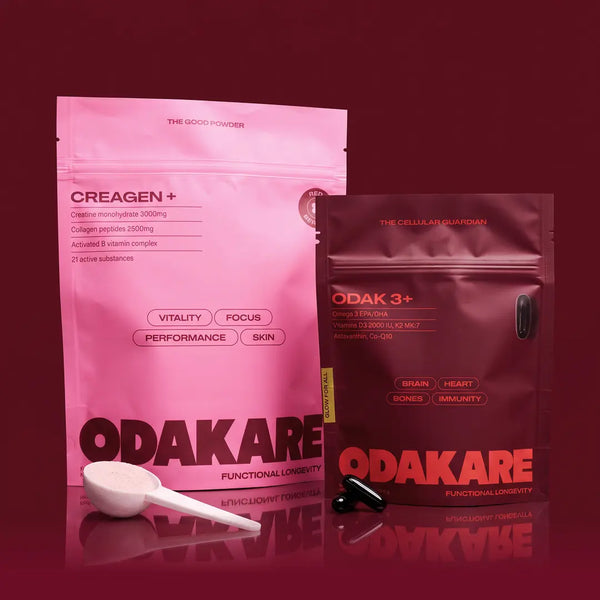
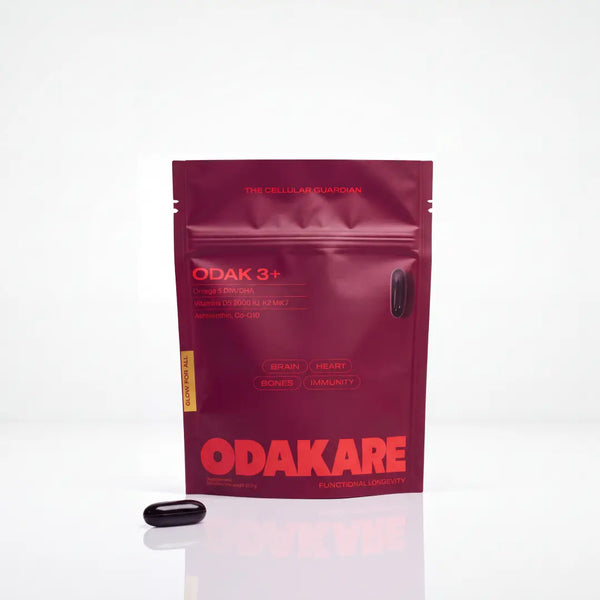


We call it vitamin D. Yet in the body, its active form behaves like a genuine hormone. A characteristic that says a lot about its importance and the breadth of its functions.
It's best known for its role in bone health and the absorption of calcium and phosphorus. But its importance goes far beyond that: it's also involved in the functioning of the immune system and the muscles, while research is taking a close interest in its role in other aspects of our health.
AND WHAT ABOUT OUR TEETH?
Among these aspects is one we far less readily associate with vitamin D: the health of our teeth and gums.
And this link is far from anecdotal. Several studies* have observed an association between low blood levels of vitamin D and an increased risk of periodontitis, an inflammatory disease affecting the tissues that support the teeth which, at an advanced stage, can cause them to loosen and fall out.
This obviously doesn't mean that a lack of vitamin D is solely responsible for periodontitis, or that supplementation alone is enough to prevent it. But these links invite us to take a more holistic view of oral health.
WHERE NUTRITION AND DENTISTRY MEET
This is precisely one of the subjects that fascinates Ali Wehbe, a dentist and clinical lead who advocates a more holistic approach to dental health, one that includes nutrition.
In our expert video, he discusses the role of vitamin D in mineralisation, periodontal health and inflammatory mechanisms. He also shares his vision of a dentistry that no longer focuses solely on consequences, but also seeks to better understand the factors that can contribute to long-term oral health.
VITAMIN D IN EVERYDAY LIFE
Vitamin D has another special feature: our body can produce it in the skin when exposed to UVB rays. But this production varies greatly depending on the season, sun exposure, age, skin pigmentation and lifestyle.
Food also provides some, notably through certain oily fish, eggs and fortified foods, but natural dietary sources remain relatively limited.
Before taking a supplement, and especially if you want to tailor the dose to your needs, your vitamin D status can be assessed with a healthcare professional.
* Scientific sources: Machado et al., Nutrients, 2020; Liang et al., BMC Oral Health, 2023.